
Month 01
Month 1: healing and the start of shedding
The first month is dominated by healing rather than visible growth. Short transplanted hairs may initially make the recipient area look fuller, but many of those hairs can shed during the following weeks.
The American Academy of Dermatology states that transplanted hair commonly falls out between two and eight weeks. The NHS also notes that transplanted hair often falls out after a few weeks and later starts to grow back. For a detailed explanation, read about shedding and shock loss.
Months 02–03
Months 2–3: a quiet-looking phase
After shedding, the scalp can look similar to—or temporarily thinner than—it did before surgery. The American Academy of Dermatology notes that hair may look thinner by the third month. Limited visible change at this point does not define the final result.
This waiting phase can be difficult because the surface may appear healed while new hair is not yet obvious. Avoid judging progress from one close-up photograph or another patient’s timeline.
Months 04–06
Months 4–6: early regrowth may become visible
The NHS says new hair will usually start to appear after about four months. Early growth may look fine, short, light or uneven because hairs do not all become visible at the same time.
Month four is not a pass-or-fail deadline. Some people recognise change earlier, while others need more time before photographs show a clear difference. Your clinic can assess progress in the context of your procedure.
Texture, length and coverage can continue changing long after the first new hairs become visible.
Months 06–09
Months 6–9: growth often becomes easier to see
The American Academy of Dermatology says most patients see results between six and nine months, while some need twelve months. During this window, increasing length can make photographic changes easier to recognise.
Growth can remain uneven across the recipient area. Lighting, hair length, styling and wet versus dry hair can also change how density appears, so use consistent conditions when comparing photographs.
Months 09–12
Months 9–12: coverage and appearance continue developing
By this stage, more of the visual result may be apparent, but not every patient or treated area follows the same pace. Cleveland Clinic notes that it can take up to a year to see the full result in its general overview, while other authoritative guidance uses a broader window.
Continue with planned follow-ups. Your clinic can distinguish ordinary variation from a concern and discuss whether more time is needed.
Months 12–18
Months 12–18: later maturation
The NHS gives a broad 10-to-18-month window for full results to be seen. That does not guarantee a particular density or appearance; it describes how long visible development can continue.
Later changes may involve length, calibre, texture and how the transplanted hair blends. If your result differs from what your surgeon discussed, schedule a review rather than relying on a generic percentage chart.
How to take useful progress photos
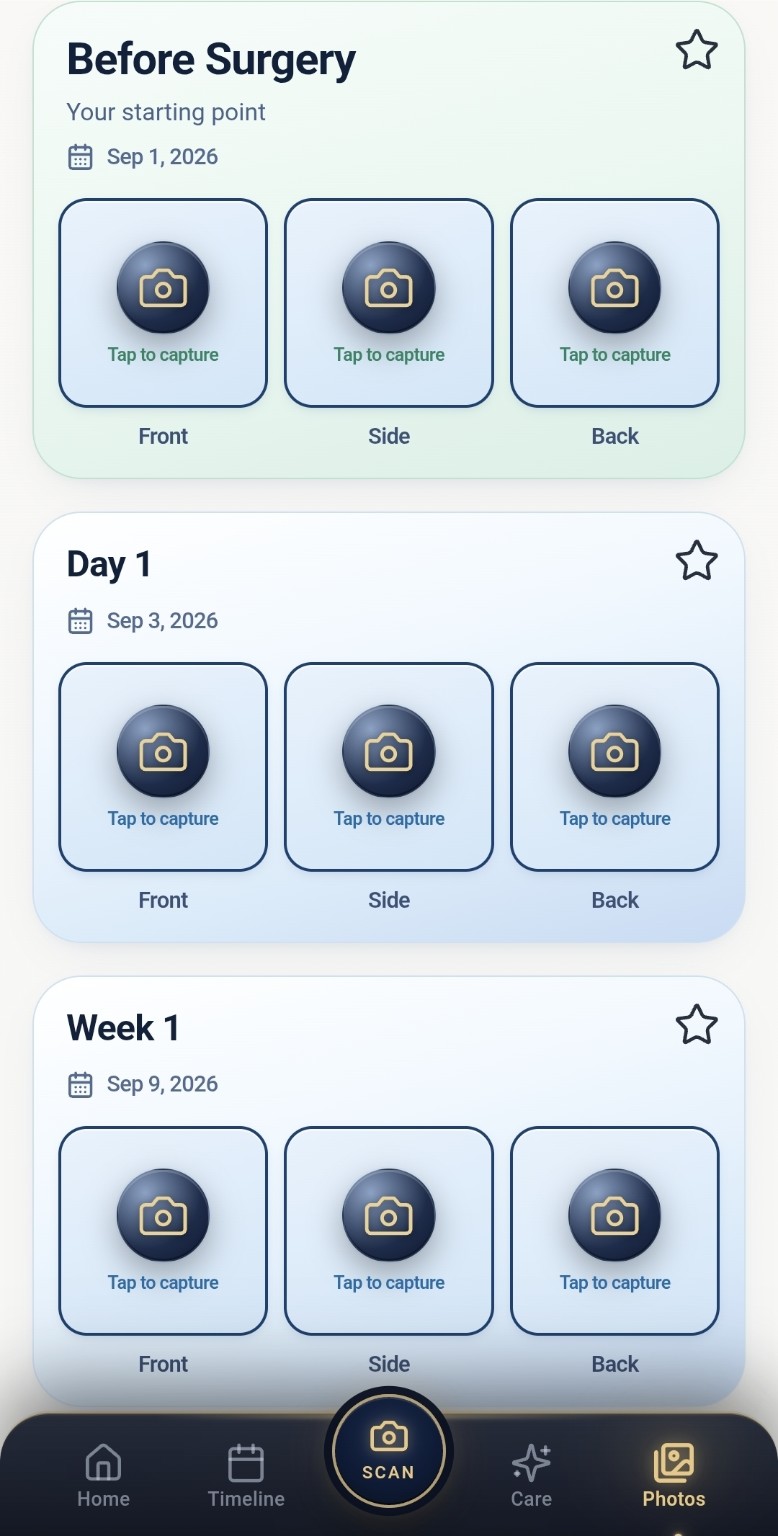
Use the same room, lighting direction, camera distance, head position and hairstyle. Capture comparable front, side and back views at planned milestones. Avoid filters, portrait blur and different wet/dry conditions.
Monthly comparisons are usually easier to interpret than daily checks. Keep original dates and use the images to support conversations with your clinic—not to diagnose graft survival.
When should you contact your clinic?
Questions about slow or uneven growth are appropriate for a scheduled follow-up. Contact your clinic sooner if you have severe or increasing pain, severe redness, worsening swelling, persistent bleeding, fever, pus/discharge or another unexpected scalp change. Cleveland Clinic and the NHS advise professional review for severe or unexpected postoperative symptoms.
Seek urgent medical help for severe symptoms or an emergency. This growth timeline cannot evaluate an individual result or complication.
Private progress tracking
Follow change without losing perspective
GraftGuide supports the hair transplant journey from Day 1 to Month 18 with stage-specific information and private progress-photo tracking.
It does not predict or guarantee results and does not replace clinic follow-up.
Sources and further reading
Growth timing was reviewed against NHS hair transplant guidance, the medically reviewed Cleveland Clinic overview and American Academy of Dermatology guidance.